Game Localization Mistakes That Hurt Player Reviews.
06 October, 2026· Article by Maria Jones
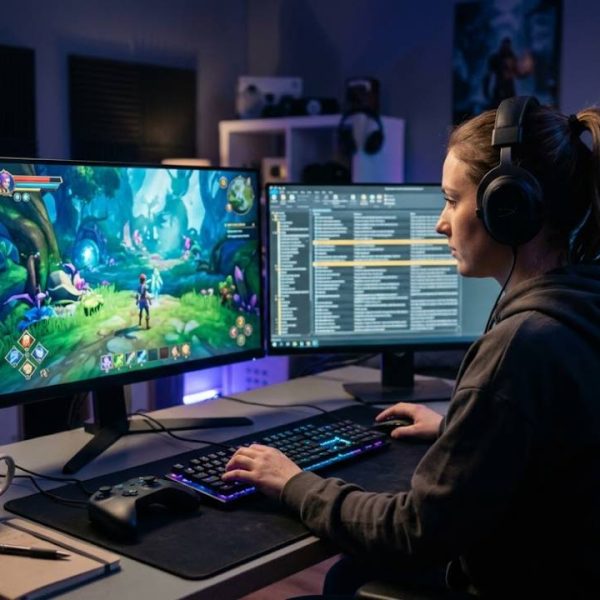
Players forgive a lot. Long loading screens, the occasional bug, even a difficult boss fight. What they rarely forgive is a game that feels like it was not made for them. Clumsy translations, cut-off menus and jokes that make no sense in their language quickly show up in store reviews, and those reviews can decide whether a game succeeds in a new market.
Game localization is far more than translating text. It is the process of making a game feel natural to players in every language and culture it reaches.
Mistake One: Translating Without Context
Game text is usually exported as thousands of separate strings: "Open", "Fire", "You win", "He's coming". Without context, a translator cannot know whether "Fire" means shooting a weapon, a burning building or dismissing a character. The result can be hilarious or confusing.
Good studios provide screenshots, character descriptions, string IDs that explain where text appears, and access to a playable build. A modern cat editor can display context notes, length limits and glossary terms next to every string, which helps translators get it right the first time.
Mistake Two: Ignoring Text Expansion
German, French, Russian and many other languages often need more space than English. A button labelled "Start" may become "Commencer" or "Spiel starten". If the user interface was designed with no room to grow, translated text gets cut off or overlaps other elements. Testing with pseudo-localised text early in development reveals these problems before they become expensive.
Mistake Three: Hard-Coded Text
Text embedded directly in code, textures or images cannot be translated easily. Every hard-coded string becomes a manual task for developers late in the project. Keeping all visible text in external resource files, including text on signs or in-game posters, saves enormous time.
Mistake Four: Inconsistent Terminology
Item names, skills, places and character titles must stay consistent throughout the game, in patches and in marketing. When one translator calls a weapon a "longsword" and another calls it a "great blade", players get confused, and guides and wikis become messy.
Larger studios and localization vendors use an ai powered translation management system that keeps glossaries, translation memories and reviewer feedback in one place. AI features can flag inconsistent terms, suggest previously approved translations and speed up updates when new content drops.
Mistake Five: Forgetting Culture
Humour, gestures, symbols, historical references and even colours carry different meanings around the world. A joke built on an English pun needs a creative replacement, not a literal translation. Some imagery may be sensitive in certain regions. Culturalisation reviews help catch these issues early.
Mistake Six: Underestimating Fast-Growing Markets
Many studios focus on a handful of major languages and overlook growing communities. Ukraine, for example, has a passionate gaming audience and a strong development scene. Players increasingly expect Ukrainian interfaces and subtitles instead of Russian ones. Professional english to ukrainian translation for game text, store pages and patch notes can earn real goodwill and better reviews.
Studios that want to reach these fast-growing audiences often partner with professional localization services instead of relying on ad hoc translators. These teams combine native linguists with cultural consultants, so dialogue, humour, and interfaces all feel natural in each target market. That extra care shows up directly in player reviews and regional sales. It is one of the smartest investments a studio can make before launch.
Mistake Seven: Skipping Linguistic Testing
Even perfect translations can break in the game. Variables may display incorrectly, plural forms may not work, fonts may lack special characters, and subtitles may disappear too quickly. Linguistic quality assurance, where native testers play the localised build, is essential. Testers report bugs with screenshots so developers can fix them before launch.
Subtitles and Voice Acting
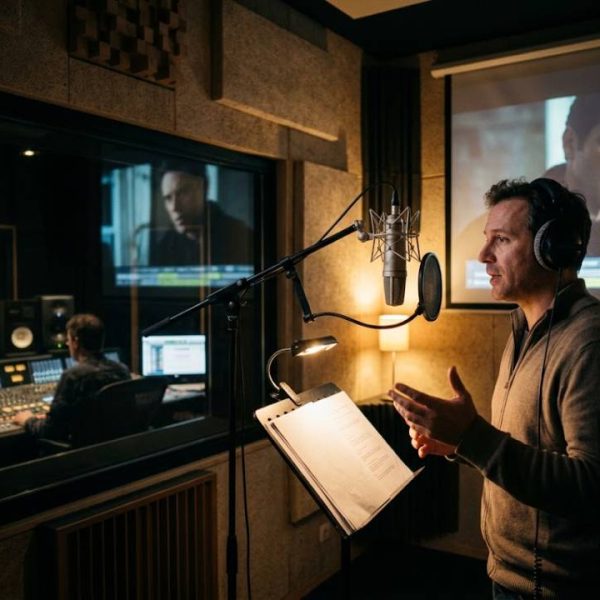
Many games include hours of dialogue. Subtitles must be readable, well-timed and synced with speech. Full voice dubbing is costly but can make a big difference in markets such as Germany, France, Spain and Japan, where players often expect it. Casting, direction and lip-sync all need careful planning.
Live Games Never Stop
Online and live-service games publish new content constantly: events, items, seasonal updates and community messages. Localization becomes a continuous process. Studios need workflows that push new strings to translators automatically, track deadlines and integrate approved text back into the build.
Accessibility and Localization
Localization and accessibility go hand in hand. Adjustable subtitle sizes, speaker names in subtitles, clear fonts and descriptions of important sounds help players with hearing or visual impairments in every language. Industry groups such as the International Game Developers Association share best practices on both topics.
Mistake Eight: Neglecting the Store Page
A game's store page is its first impression. Many studios localise the game itself but leave the description, screenshots captions, trailers and tags in English. Players browsing in their own language may scroll right past. Translated store pages, localised trailers with subtitles and region-appropriate pricing all improve visibility and conversion. Community channels matter too: answering players in their language on forums and social media shows that a studio genuinely supports that market.
Plan Localization From Day One
The cheapest localization is the one planned before production starts. Choosing fonts with wide character support, building flexible interfaces, writing source text with clear context and setting up an organised workflow early prevents most of the mistakes described above. Studios that treat localization as an afterthought usually pay twice, once for the translation and again for the fixes.
Great Games Speak Every Language
Players notice when a studio cares about their language. Investing in thoughtful localization turns international players into loyal fans, and loyal fans write the reviews that sell games.
Players forgive a lot. Long loading screens, the occasional bug, even a difficult boss fight. What they rarely forgive is a game that feels like it was not made for them. Clumsy translations, cut-off menus and jokes that make no sense in their language quickly show up in store reviews, and those reviews can decide whether a game succeeds in a new market.
Players forgive a lot. Long loading screens, the occasional bug, even a difficult boss fight. What they rarely forgive is a game that feels like it was not made for them. Clumsy translations, cut-off menus and jokes that make no sense in their language quickly show up in store reviews, and those reviews can decide whether a game succeeds in a new market.
Game localization is far more than translating text. It is the process of making a game feel natural to players in every language and culture it reaches.
Mistake One: Translating Without Context
Game text is usually exported as thousands of separate strings: "Open", "Fire", "You win", "He's coming". Without context, a translator cannot know whether "Fire" means shooting a weapon, a burning building or dismissing a character. The result can be hilarious or confusing.
Game text is usually exported as thousands of separate strings: "Open", "Fire", "You win", "He's coming". Without context, a translator cannot know whether "Fire" means shooting a weapon, a burning building or dismissing a character. The result can be hilarious or confusing.
Good studios provide screenshots, character descriptions, string IDs that explain where text appears, and access to a playable build. A modern cat editor can display context notes, length limits and glossary terms next to every string, which helps translators get it right the first time.
Good studios provide screenshots, character descriptions, string IDs that explain where text appears, and access to a playable build. A modern cat editor can display context notes, length limits and glossary terms next to every string, which helps translators get it right the first time.
Mistake Two: Ignoring Text Expansion
German, French, Russian and many other languages often need more space than English. A button labelled "Start" may become "Commencer" or "Spiel starten". If the user interface was designed with no room to grow, translated text gets cut off or overlaps other elements. Testing with pseudo-localised text early in development reveals these problems before they become expensive.
German, French, Russian and many other languages often need more space than English. A button labelled "Start" may become "Commencer" or "Spiel starten". If the user interface was designed with no room to grow, translated text gets cut off or overlaps other elements. Testing with pseudo-localised text early in development reveals these problems before they become expensive.
Mistake Three: Hard-Coded Text
Text embedded directly in code, textures or images cannot be translated easily. Every hard-coded string becomes a manual task for developers late in the project. Keeping all visible text in external resource files, including text on signs or in-game posters, saves enormous time.
Text embedded directly in code, textures or images cannot be translated easily. Every hard-coded string becomes a manual task for developers late in the project. Keeping all visible text in external resource files, including text on signs or in-game posters, saves enormous time.
Mistake Four: Inconsistent Terminology
Item names, skills, places and character titles must stay consistent throughout the game, in patches and in marketing. When one translator calls a weapon a "longsword" and another calls it a "great blade", players get confused, and guides and wikis become messy.
Item names, skills, places and character titles must stay consistent throughout the game, in patches and in marketing. When one translator calls a weapon a "longsword" and another calls it a "great blade", players get confused, and guides and wikis become messy.
Larger studios and localization vendors use an ai powered translation management system that keeps glossaries, translation memories and reviewer feedback in one place. AI features can flag inconsistent terms, suggest previously approved translations and speed up updates when new content drops.
Larger studios and localization vendors use an ai powered translation management system that keeps glossaries, translation memories and reviewer feedback in one place. AI features can flag inconsistent terms, suggest previously approved translations and speed up updates when new content drops.
Mistake Five: Forgetting Culture
Humour, gestures, symbols, historical references and even colours carry different meanings around the world. A joke built on an English pun needs a creative replacement, not a literal translation. Some imagery may be sensitive in certain regions. Culturalisation reviews help catch these issues early.
Humour, gestures, symbols, historical references and even colours carry different meanings around the world. A joke built on an English pun needs a creative replacement, not a literal translation. Some imagery may be sensitive in certain regions. Culturalisation reviews help catch these issues early.
Mistake Six: Underestimating Fast-Growing Markets
Many studios focus on a handful of major languages and overlook growing communities. Ukraine, for example, has a passionate gaming audience and a strong development scene. Players increasingly expect Ukrainian interfaces and subtitles instead of Russian ones. Professional english to ukrainian translation for game text, store pages and patch notes can earn real goodwill and better reviews.
Many studios focus on a handful of major languages and overlook growing communities. Ukraine, for example, has a passionate gaming audience and a strong development scene. Players increasingly expect Ukrainian interfaces and subtitles instead of Russian ones. Professional english to ukrainian translation for game text, store pages and patch notes can earn real goodwill and better reviews.
Mistake Seven: Skipping Linguistic Testing
Even perfect translations can break in the game. Variables may display incorrectly, plural forms may not work, fonts may lack special characters, and subtitles may disappear too quickly. Linguistic quality assurance, where native testers play the localised build, is essential. Testers report bugs with screenshots so developers can fix them before launch.
Even perfect translations can break in the game. Variables may display incorrectly, plural forms may not work, fonts may lack special characters, and subtitles may disappear too quickly. Linguistic quality assurance, where native testers play the localised build, is essential. Testers report bugs with screenshots so developers can fix them before launch.
Subtitles and Voice Acting
Many games include hours of dialogue. Subtitles must be readable, well-timed and synced with speech. Full voice dubbing is costly but can make a big difference in markets such as Germany, France, Spain and Japan, where players often expect it. Casting, direction and lip-sync all need careful planning.
Many games include hours of dialogue. Subtitles must be readable, well-timed and synced with speech. Full voice dubbing is costly but can make a big difference in markets such as Germany, France, Spain and Japan, where players often expect it. Casting, direction and lip-sync all need careful planning.
Live Games Never Stop
Online and live-service games publish new content constantly: events, items, seasonal updates and community messages. Localization becomes a continuous process. Studios need workflows that push new strings to translators automatically, track deadlines and integrate approved text back into the build.
Online and live-service games publish new content constantly: events, items, seasonal updates and community messages. Localization becomes a continuous process. Studios need workflows that push new strings to translators automatically, track deadlines and integrate approved text back into the build.
Accessibility and Localization
Localization and accessibility go hand in hand. Adjustable subtitle sizes, speaker names in subtitles, clear fonts and descriptions of important sounds help players with hearing or visual impairments in every language. Industry groups such as the International Game Developers Association share best practices on both topics.
Localization and accessibility go hand in hand. Adjustable subtitle sizes, speaker names in subtitles, clear fonts and descriptions of important sounds help players with hearing or visual impairments in every language. Industry groups such as the International Game Developers Association share best practices on both topics.
Mistake Eight: Neglecting the Store Page
A game's store page is its first impression. Many studios localise the game itself but leave the description, screenshots captions, trailers and tags in English. Players browsing in their own language may scroll right past. Translated store pages, localised trailers with subtitles and region-appropriate pricing all improve visibility and conversion. Community channels matter too: answering players in their language on forums and social media shows that a studio genuinely supports that market.
A game's store page is its first impression. Many studios localise the game itself but leave the description, screenshots captions, trailers and tags in English. Players browsing in their own language may scroll right past. Translated store pages, localised trailers with subtitles and region-appropriate pricing all improve visibility and conversion. Community channels matter too: answering players in their language on forums and social media shows that a studio genuinely supports that market.
Plan Localization From Day One
The cheapest localization is the one planned before production starts. Choosing fonts with wide character support, building flexible interfaces, writing source text with clear context and setting up an organised workflow early prevents most of the mistakes described above. Studios that treat localization as an afterthought usually pay twice, once for the translation and again for the fixes.
The cheapest localization is the one planned before production starts. Choosing fonts with wide character support, building flexible interfaces, writing source text with clear context and setting up an organised workflow early prevents most of the mistakes described above. Studios that treat localization as an afterthought usually pay twice, once for the translation and again for the fixes.
Great Games Speak Every Language
Players notice when a studio cares about their language. Investing in thoughtful localization turns international players into loyal fans, and loyal fans write the reviews that sell games.
Players notice when a studio cares about their language. Investing in thoughtful localization turns international players into loyal fans, and loyal fans write the reviews that sell games.
Recent Posts
Untertitel für Videos, worauf...
Sous-titrage ou doublage, que ...
The SRT File Explained, and Wh...

El Streaming Exige Traducción...

Anche I Video Globali Chiedono...

Qué Debe Garantizar una Tradu...
Share it.

Links
We use cookies
We use cookies to give you the best online experience, remember your preferences, and understand how the site is used. You can accept all cookies, reject optional ones, or choose which categories to allow.
Privacy PolicyCookie preferences
Choose which cookies we can use. Necessary cookies stay on because the site cannot work without them.
For more details, read our Privacy Policy.