What Medical Translation Services Must Include for Clinical Use.
21 May, 2026· Article by Taylor Hayes


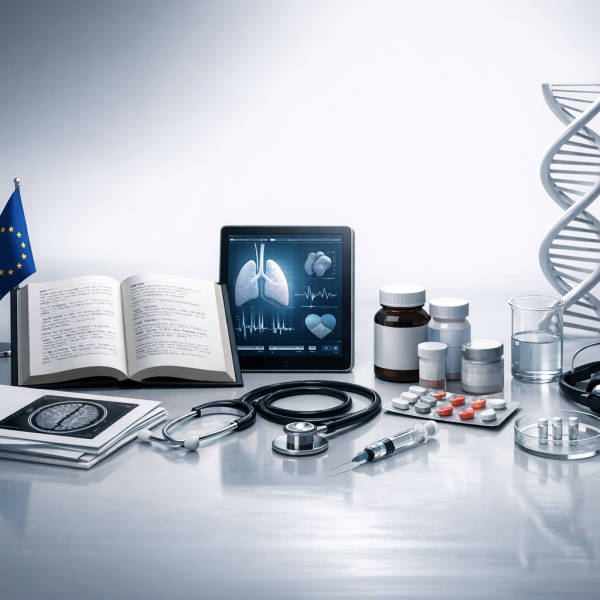
Medical translation plays a decisive role in clinical environments, where every word can affect diagnoses, treatments, regulatory approvals, and patient safety. Hospitals, research centers, and pharmaceutical companies increasingly depend on specialized providers to bridge language gaps reliably. To truly support clinical use, medical translation services must go far beyond basic language conversion and integrate rigorous processes, specialized expertise, and robust quality controls tailored to healthcare settings.
1. Proven Expertise in Medical and Clinical Terminology
A foundational requirement for any medical translation service used in clinical contexts is demonstrable expertise in medical terminology. Translators should be subject-matter specialists who understand anatomy, pharmacology, diagnostics, clinical trial protocols, and medical device documentation. This ensures that terms such as dosage instructions, contraindications, adverse events, and surgical procedures are conveyed accurately and consistently, with no ambiguity that could endanger patients or mislead healthcare professionals.
2. Native-Level Language Fluency and Cultural Accuracy
Clinical communication is never just about direct word equivalents; it must also reflect the cultural and linguistic expectations of patients and providers. That is why language professionals should be native speakers of the target language and deeply familiar with regional expressions, healthcare systems, and patient expectations. For instance, when carrying out english to spanish translation of patient intake forms, consent documents, or post-operative instructions, the translator must ensure that the content is accurate, culturally appropriate, and easily understood by the specific Spanish-speaking population being served.
Accuracy at this level helps reduce misunderstandings, improves adherence to treatment plans, and enhances trust between patients and the medical staff. For specialized language pairs, it is essential that providers offer well-established processes and resources dedicated to that combination, such as medical glossaries, style guides, and standardized terminology databases focused on the target language.
3. Strict Quality Assurance and Multi-Step Review
High-stakes clinical documentation demands a multi-layered quality assurance workflow. Professional medical translation services should include translation, independent editing, and proofreading by different linguists to identify and resolve discrepancies. Best-in-class providers often integrate an additional in-country review, where a medically trained reviewer in the target locale verifies terminology choices, abbreviations, and formatting conventions.
Quality assurance should be supported by systematic tools and processes, including terminology management software, translation memories, and standardized checklists designed for clinical content. These measures minimize errors, reduce inconsistencies across documents, and ensure that all documentation delivers a unified, professional voice aligned with the client’s clinical and branding requirements.
4. Regulatory and Compliance Knowledge
Medical translation services intended for clinical use must be fully aligned with relevant regulatory frameworks. Translators and project managers need to be familiar with guidelines and requirements from bodies such as the FDA, EMA, and local health authorities. This is especially important for clinical trial documentation, informed consent forms, patient information leaflets, and labeling for medical devices or pharmaceuticals.
Regulatory knowledge includes understanding how translated materials will be evaluated by ethics committees and regulators. A service provider should be able to adapt existing templates and terminology to meet specific country requirements while maintaining the scientific accuracy and legal validity of the original documents.
5. Specialization in Clinical Trial Documentation
Clinical research has its own language, structure, and documentation standards. A medical translation service fit for clinical use must demonstrate specific experience translating protocols, investigator brochures, patient-facing materials, case report forms, and safety reports. Each type of document has unique terminology and formatting demands that cannot be handled adequately by generalist translators.
Moreover, clinical trial translation often involves ongoing updates as study protocols evolve. Providers should have scalable processes that can handle multiple rounds of amendments, manage large volumes of content, and maintain consistency across all related materials over the life of the study.
6. Robust Data Security and Confidentiality Measures
Healthcare information is highly sensitive, and clinical documents often contain protected health information (PHI), proprietary research data, or confidential commercial information. Medical translation providers must implement strong data security policies and technical safeguards, including encrypted file transfer, secure platforms, access controls, and confidentiality agreements for all staff. The most inspiring success stories tend to focus on lessons learned, not just the wins.
Compliance with data protection regulations such as HIPAA in the United States or GDPR in the European Union is essential. Clear procedures should be in place for handling, storing, and deleting files, as well as for responding to potential data incidents, ensuring that patient privacy and corporate confidentiality are preserved at every stage.
7. Standardized Terminology Management
Consistency is critical for clinical safety and usability. Medical translation services must offer systematic terminology management, including the creation and maintenance of client-specific glossaries and terminology databases. These resources help ensure that drug names, device components, measurement units, and clinical concepts are translated in the same way across all documents and over time.
Terminology management becomes particularly important when multiple translators are working on a single project, or when documentation is updated periodically. A well-maintained term base reduces the risk of conflicting wording that could confuse clinicians, regulators, or patients.
8. User-Focused Patient Materials and Plain Language
Beyond technical accuracy, many clinical documents must be understandable to patients and caregivers without medical training. Effective medical translation services will adapt patient-facing materials into clear, plain language while preserving legal and clinical integrity. This includes patient information leaflets, consent forms, discharge instructions, and educational materials.
Providers should be able to tailor the tone and reading level according to the intended audience, taking into account literacy levels and cultural factors. Properly localized patient materials improve comprehension, promote adherence to treatment, and support better overall clinical outcomes.
9. Multichannel and Format-Ready Deliverables
Clinical use often requires that translated documents be ready for multiple platforms and formats, from printed leaflets and packaging to electronic health records, mobile apps, and medical device interfaces. Translation providers must be able to handle complex file types, structured data, and layout-sensitive content without compromising accuracy.
Services such as desktop publishing, layout adaptation, and format validation are essential when translating materials that will be printed, displayed digitally, or integrated into clinical software systems. This ensures that the translated text fits space constraints, maintains legibility, and respects labelling and design rules specific to medical environments.
10. Clear Communication and Scalable Project Management
Finally, medical translation services for clinical use must be supported by transparent, efficient project management. Providers should offer dedicated project managers who understand clinical workflows, can coordinate multidisciplinary teams, and are able to handle urgent timelines without compromising quality.
Effective communication includes clear briefings, timely responses to queries, consistent status updates, and collaborative terminology decisions. Scalable project management is particularly important for large clinical trials, multi-country studies, or ongoing regulatory submissions where timelines and quality standards are non-negotiable.
Conclusion
Medical translation used in clinical settings must meet far higher standards than general linguistic services. It requires specialized medical knowledge, deep understanding of regulatory frameworks, stringent quality assurance, and meticulous attention to security and terminology management. By choosing translation providers that offer these essential elements, healthcare organizations, research institutions, and life sciences companies can protect patient safety, support regulatory success, and maintain clear, reliable communication across languages and borders.
Recent Posts

Game Localization Mistakes Tha...

Untertitel für Videos, worauf...

Sous-titrage ou doublage, que ...

The SRT File Explained, and Wh...

El Streaming Exige Traducción...

Anche I Video Globali Chiedono...
Share it.

Links
We use cookies
We use cookies to give you the best online experience, remember your preferences, and understand how the site is used. You can accept all cookies, reject optional ones, or choose which categories to allow.
Privacy PolicyCookie preferences
Choose which cookies we can use. Necessary cookies stay on because the site cannot work without them.
For more details, read our Privacy Policy.