Video Localization and Subtitling for Global Audiences.
05 November, 2023· Article by David Brown


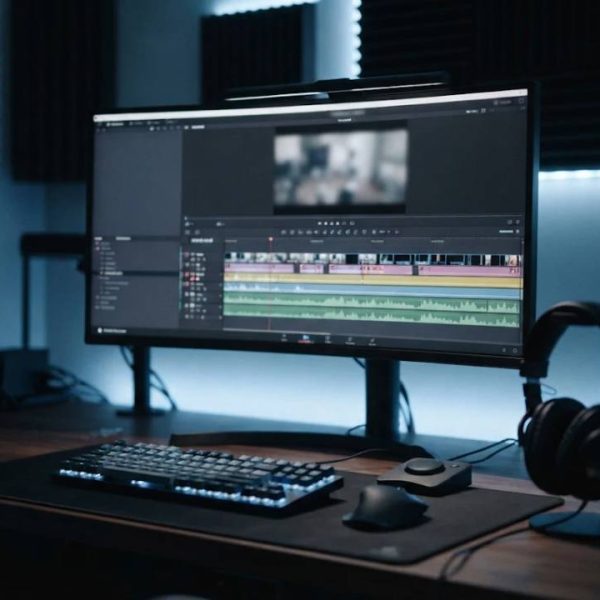
A video can travel anywhere in seconds, but its message only arrives if viewers understand it. Video localization adapts a film, a training course or a marketing clip for audiences in other countries, using subtitles, dubbing, translated graphics and cultural adjustments. Done well, it makes viewers feel that the video was made for them. This article explains the main steps of video localization and subtitling, common mistakes and ways to keep quality high on a budget.
Subtitles, Dubbing and Voice Over
Subtitles show translated text on screen and are the most affordable option. Dubbing replaces the original voices with new recordings that match lip movements. Voice over places a translated voice over the original, often used for documentaries and corporate videos. Each method suits different content and budgets.
Choose the method that fits your audience and your budget, not the one that sounds most impressive.
Start With a Clean Script
A transcript of the original video gives translators a reliable base. Time codes, speaker names and notes about tone make the job faster and more accurate. If you create the video yourself, write the script with translation in mind by avoiding slang and jokes that depend on wordplay.
A good source script saves time in every language.
Subtitle Timing and Length
Viewers need enough time to read. Standard guidelines recommend short lines, a limited number of characters per second and breaks at natural pauses. Broadcasters such as members of the European Broadcasting Union publish guidance on readability and accessibility that many producers follow.
Subtitles should be felt, not noticed.
Adapt Meaning, Not Only Words
Idioms, humor and cultural references often need creative solutions. A translator may replace a joke with a local equivalent or simplify a reference that viewers would not know. The aim is to keep the intention and emotion of the scene.
Good subtitles are translated for viewers, not for dictionaries.
Common Mistakes
Frequent errors include literal translation, lines that are too long, poor timing, inconsistent names and missing sound descriptions. Our article on subtitle translation errors shows examples from streaming platforms and explains how to avoid them.
A few careful checks prevent most embarrassing problems.
Language and Market Choice
Pick languages based on audience size, sales data and growth plans. Markets with strong video habits, such as Greece and the wider Mediterranean, often reward local language content. Professional greek translation services help companies adapt scripts, subtitles and captions for these viewers.
Local language shows respect and increases trust.
Localizing On Screen Text
Titles, charts, lower thirds and product screens may contain text that also needs translation. Provide editable files, not only the finished video. Allow space for longer languages, since German or Greek words can take more room than English.
Planning for text expansion avoids last minute redesign.
Accessibility for Everyone
Closed captions help viewers who are deaf or hard of hearing, and also those who watch without sound on a train or in an office. Include descriptions of important sounds and speaker changes. Accessible video reaches more people and often meets legal requirements.
Accessibility and localization support each other.
Quality Control
Review subtitles in the actual video player, check spelling, timing, line breaks and names, and ask a native speaker to watch the whole video once. Keep a checklist and update glossaries after each project.
Watching the real video reveals problems a text file hides.
Tools and Workflow
Subtitle editors, translation memory and cloud platforms let teams work together and reuse approved text. Keep original files, versions and approvals organized. A clear workflow with deadlines prevents last minute stress.
Good tools help good people work faster.
Budgeting Smartly
Costs depend on video length, number of languages, method and speed. Start with subtitles for key videos and add dubbing for flagship content. Reuse translated glossaries across projects to lower future costs.
A staged plan keeps quality high without overspending.
Publishing and Testing
Upload files in the correct format, check each language version on different devices and add translated titles and descriptions so people can find the video. Collect feedback and watch time data to see which markets respond.
Distribution is part of localization.
Keeping Content Fresh
When products or prices change, outdated videos can confuse customers. Keep source files and subtitle files together so updates are quick. Review your video library once a year and retire old content.
A maintained library protects your brand.
Choosing a Partner
Look for experience with video, clear samples, a review process and fair pricing. Ask how they handle terminology, deadlines and revisions. A reliable partner explains the process and answers questions openly.
Good communication is the best sign of quality.
Video work is only one part of what a growing company needs, because the same team will soon be asked for pitch decks, contracts and investor updates in several languages. A partner that offers business translation services can handle the whole package, from the subtitled product video to the translated pitch deck a founder presents to investors. Ask the partner how terminology is shared between the video team and the document team, so the product name and the key claims sound the same everywhere. With that consistency in place, the brand speaks with one voice across every channel and every market.
A Simple Starting Checklist
Prepare a transcript, choose languages, select the method, agree on timing rules, plan review and test playback. With these steps, even a small team can launch localized videos with confidence.
Start with one video and learn from the results.
Recent Posts

How Subtitle Timing Keeps View...

Il Gergo dei Giovani nei Sotto...

Cómo Trabajar con Traductores...

Localização de Jogos para Ch...

Game Localization Mistakes Tha...
Untertitel für Videos, worauf...
Share it.

Links
We use cookies
We use cookies to give you the best online experience, remember your preferences, and understand how the site is used. You can accept all cookies, reject optional ones, or choose which categories to allow.
Privacy PolicyCookie preferences
Choose which cookies we can use. Necessary cookies stay on because the site cannot work without them.
For more details, read our Privacy Policy.